

Contributor: Stephen J. Douglass
-
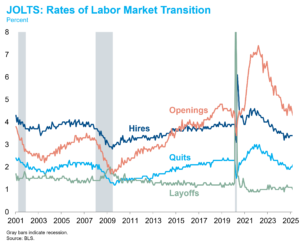
JOLTS Data Reflect a Stable-but-Vulnerable Labor Market
This morning brought the first of two labor market data releases for the week. The Job Openings and Labor Turnover Survey (JOLTS) data released today showed a continuation of the trend that has been underway for several years. Since the extreme labor shortage of the pandemic peaked in late 2021, labor demand has been cooling…
-
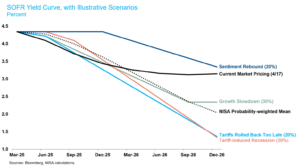
Stagflation Could Keep the Fed on the Sidelines this Summer
President Trump’s tariff increases put the Fed in a very difficult position. If the current tariff rates of 15-18% are maintained (again, this is The Big If), we would expect the price level to increase by 1.0-1.5% over the next few months, pushing core PCE inflation from 2.6% currently to 3.6-4.1%. We expect that this…
-
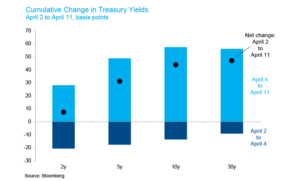
Last Week’s Treasury Selloff
The rise in long-term Treasury yields last week surprised market participants and may have played a role in President Trump’s decision to temporarily pause the highest tariffs. The price action has been extreme: 10-year and 30-year Treasury yields registered their largest weekly increases since 2001 and 2008, respectively. It is indeed unusual and a bit unnerving to…
-
Trade Policy Rollercoaster Clouds the Economic Outlook
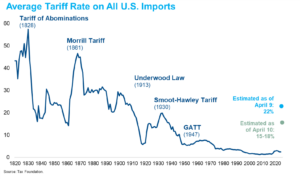
Trade policy uncertainty was the single greatest risk for the U.S. economy coming into Inauguration Day. President Trump has been talking about tariffs since the 1980s and continued in increasingly provocative terms on the 2024 campaign trail. Coming into 2025, we shared the consensus opinion that he would only deliver a small fraction of the…
-
Trade War De-escalation Reduces Left-tail Risk
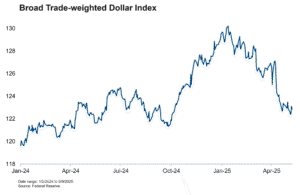
The U.S. and China agreed last week to substantially reduce their bilateral tariffs as they continue negotiations towards a comprehensive trade agreement. New tariffs on China under the Trump administration are lowered from 145% to 30%. While some de-escalation was baked into our economic forecast, this development arrived sooner and went further than we imagined.…
-
U.S.-U.K. Handshake Agreement Suggests Tariffs are Here to Stay
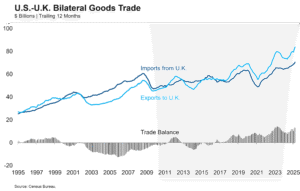
The trade deal between the U.S. and U.K. announced yesterday appears to make only minor changes to current trade policy between the two nations. Details are scant as no text has been signed, and the White House fact sheet is fewer than 750 words. Based on what we know so far, the substantive compromise of…
-
May FOMC: The Waiting is the Easiest Part
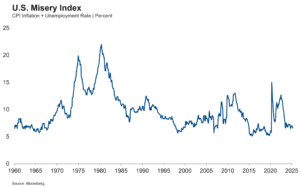
The Federal Reserve left their policy rate unchanged today as expected, embracing the wait-and-see attitude that they have adopted since President Trump escalated the trade war in March and April. Today’s events disappointed those market participants who expected a signal that rate cuts would begin at the June or July FOMC meetings. While today’s FOMC…
-
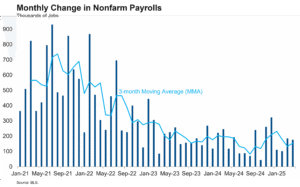
Status Quo Labor Market Persisted Through April
The April payrolls report showed little change from the labor market dynamics of the past year. This was a relief to the minority of analysts who expected to already see the labor market impact from the trade policy shock in early April. The reference week for this report was April 7-11, so it was a…
-
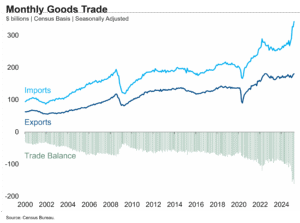
Tariff Frontrunning Propels Imports to a Record High
American companies rushed to stockpile imported goods ahead of the Liberation Day tariff announcement, recent trade data show. Goods imports surged to a record high of $343 billion in March, driving the monthly goods trade deficit to a record $162 billion. The import surge that began in December and gathered steam through March was driven…
-
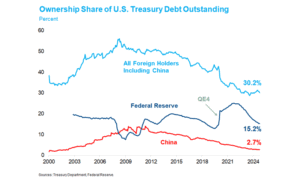
China Can’t Fight the Fed
As often happens when there is an unexplained rise in interest rates, some market participants recently speculated that China has been dumping their Treasury holdings. We continue to believe that any threat by China to weaponize their Treasury holdings as a tactic in the trade war would not be credible. The logic is the same…