

Contributor: Stephen J. Douglass
-
Strong Jobs Report Further Delays Cuts
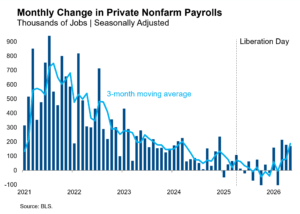
Nonfarm payroll employment surged by 172,000 in a blowout May jobs report, while the prior two months were revised higher by an additional 93,000. The only blemish is that breadth is still a bit narrow. Leisure and hospitality and local government accounted for 125,000 of the job creation in the month. That said, the 1-month…
-
April CPI: Hot Print, Cold Comfort
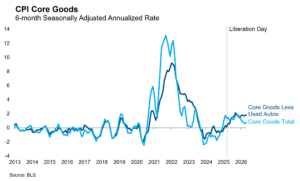
CPI inflation printed above expectations for the month of April. The figure was biased higher by a statistical quirk dating back to the government shutdown, and there are good reasons to believe the underlying inflation trend is lower than recent readings suggest. Nevertheless, headline inflation at 3.78% y/y presents a challenging backdrop as Kevin Warsh…
-
Labor Market Flies in a Holding Pattern; Changing Our Fed Call
The April Employment Situation Report was stronger than expected but not unblemished. The U.S. economy created 115,000 jobs in the month. Government employment declined again, so private sector job creation was 123,000. Healthcare accounted for a bit less than half of total private job creation, still the strongest sector, but no longer as dominant as…
-
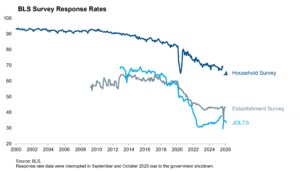
Hiring Rebounds Strongly in Volatile JOLTS Data
Hiring rebounded strongly in March, easing the concerns we had expressed about the low reading in February. The private sector hires rate rose from a cycle low to a two-year high. This volatility matches a similar pattern in nonfarm payroll growth, which swung from -133,000 in February to +178,000 in March. We’ll need the fog…
-
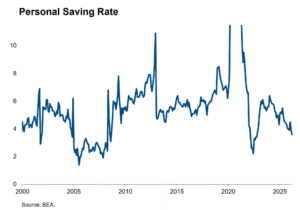
Saving Rate Dives to Cycle Low
New personal income and spending data released this week highlight a point that we discussed during our recent economic webinar. Real disposable income declined by 0.1% in March–the second consecutive monthly decline and the sixth out of the last 11 months. Consumers did not hold back for want of income, as real personal consumption expenditures…
-
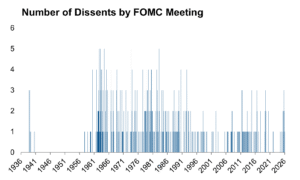
Chairman Powell Retreats to the Shadows
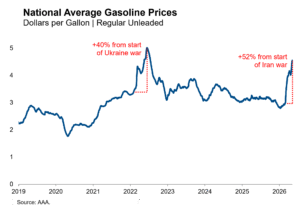
In what was likely the final meeting under Chairman Powell’s leadership, the FOMC left their policy rate unchanged today as expected. In recognition of the extreme uncertainty surrounding the war and energy prices, Powell declined to send any strong signals about the future path of monetary policy. Powell indicated at the press conference that the…
-
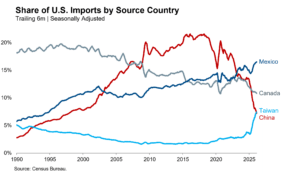
China Decoupling Watch: Party Like It’s 1999
Last year’s historic increase in tariffs, and the shock of uncertainty surrounding their implementation, have roiled America’s foreign trade flows. The monthly trade balance swung from an all-time low to a 14-year high within eight months in 2025 (highlighted in red in the chart below). The initial impact was a surge in imports between the…
-
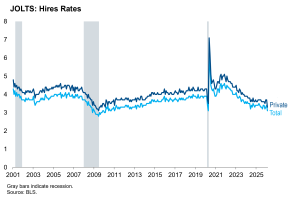
Hiring Fell to a 15-year Low Before the War
February JOLTS data show that the hires rate fell to a fresh cycle low ahead of the war. The total hires rate dropped three tenths to 3.1%, which matches the pandemic low. The private sector hires rate, which tends to be a better cyclical indicator because it excludes the very stable government hires rate, fell…
-
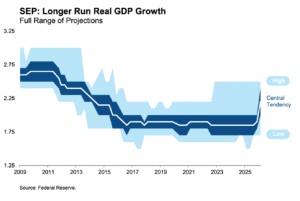
FOMC is Buying the AI Productivity Hype
The results of the March FOMC meeting were mostly as expected. The policy rate was left unchanged by an 11-1 vote with the lone dissent from Governor Miran. The median dots for 2026 and 2027 were unchanged. Powell fielded many questions about the energy price shock but expressed the appropriate lack of conviction about the future course of the war. Powell reiterated the…
-
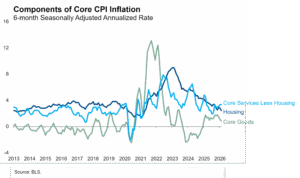
Disinflation Appears on Track in Final Pre-war CPI Print
Core CPI increased at an annualized rate of 2.62% in February, in line with consensus expectations and nearly a full percentage point below January’s pace. Housing inflation continued to decelerate, reaching the lowest monthly pace of the cycle, 2.26% annualized. Core goods prices rose at an annualized rate of 0.98% in February. Core goods inflation…