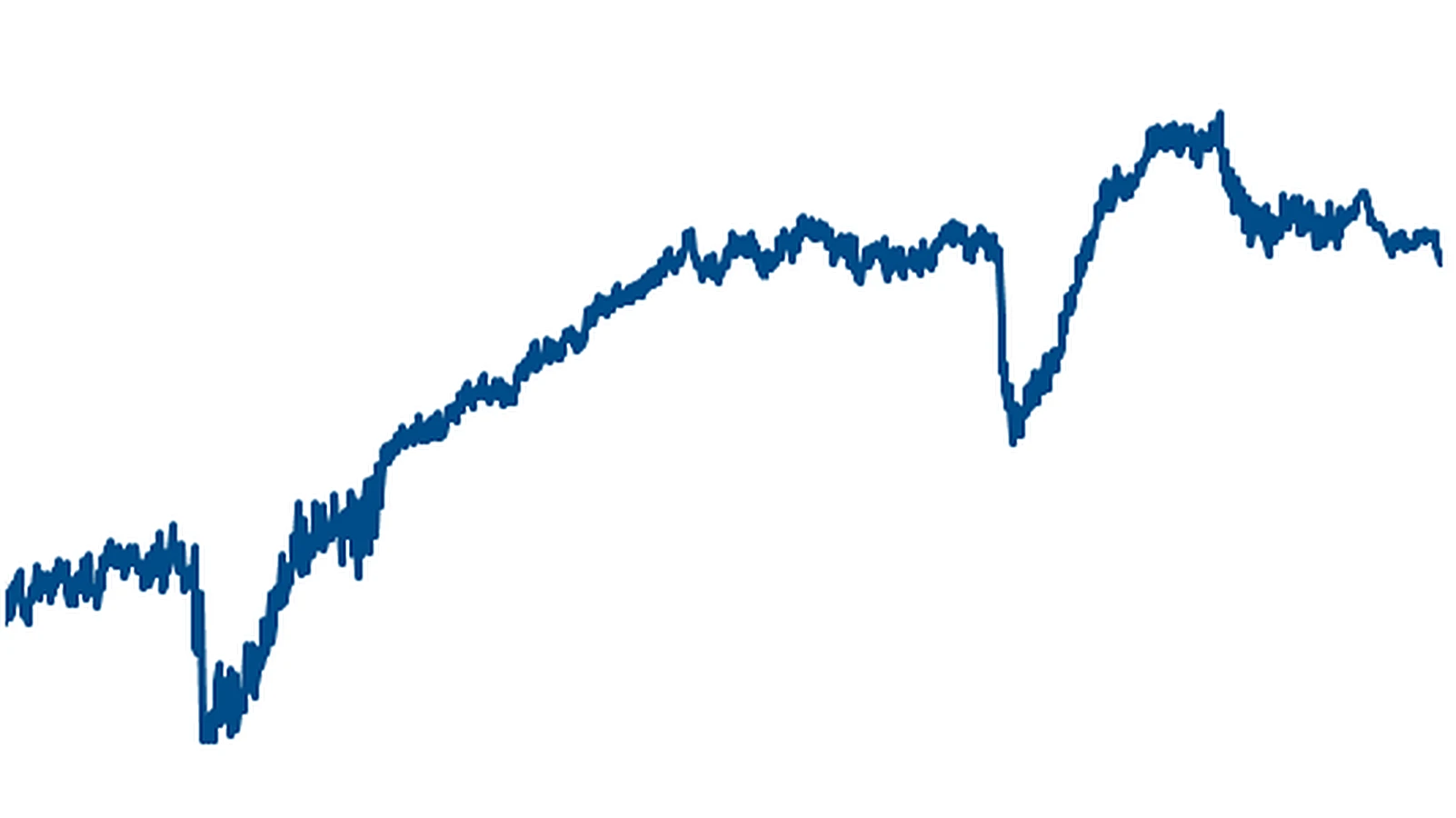


August was a strong month for job creation. Nonfarm payrolls increased by 162,000 and the prior two months were revised higher by 55,000 total. Local government education payrolls increased by 42,000 to mostly reverse a decline of 50,000 reported in July. Smoothing through this distortion shows 3-month moving average job creation at 71,000, which is just slightly above the breakeven rate. Job creation was broad across industries as the 1-month diffusion index rose to 55.6%, the highest level since December 2024.
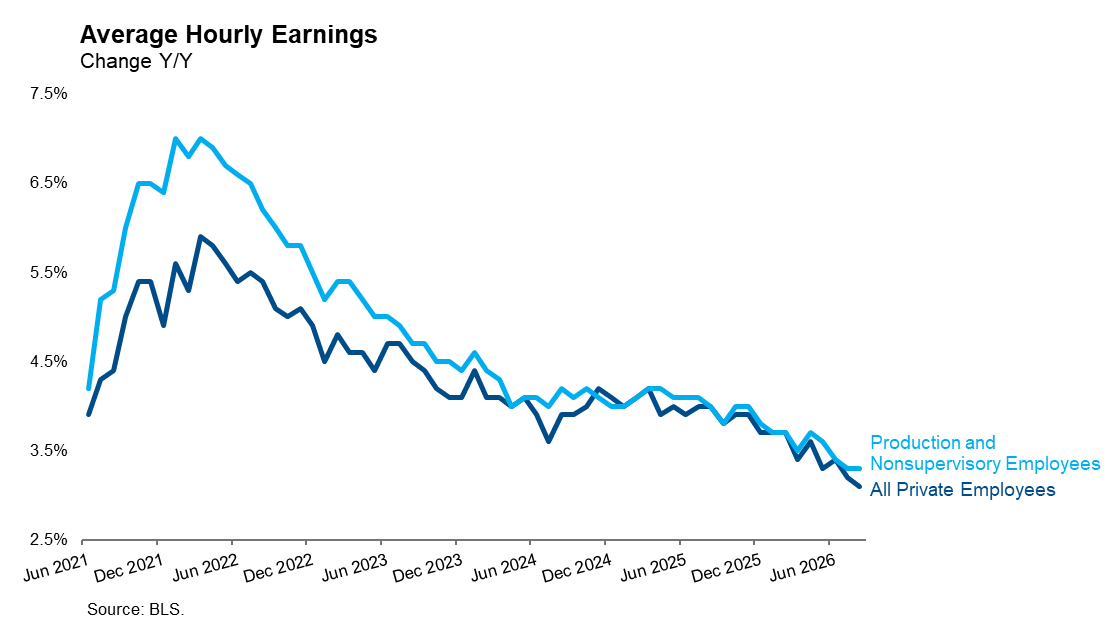
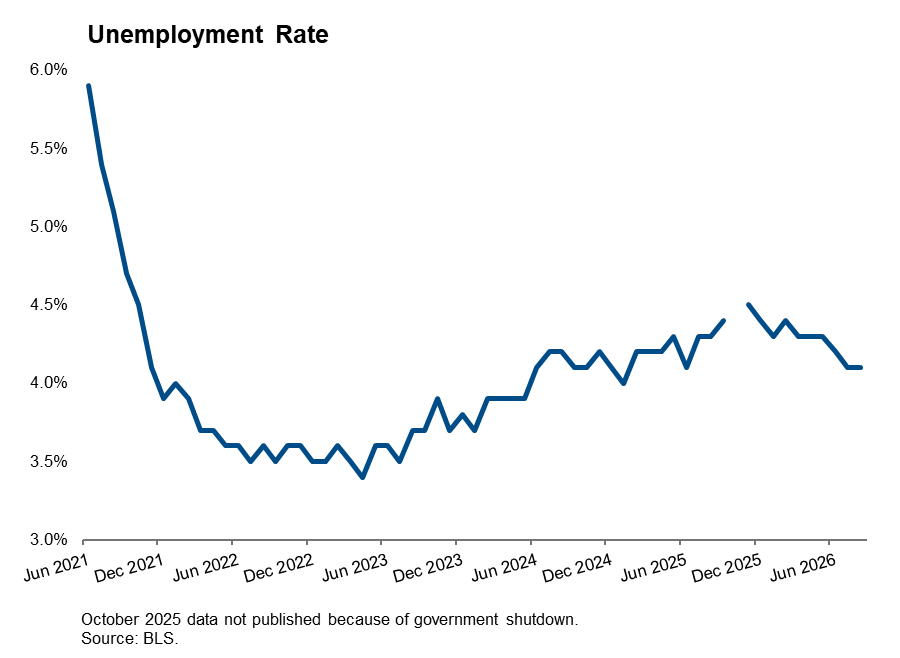
The unemployment rate increased from 4.09% to 4.14% as an increase in labor force participation outpaced an increase in employment. Most of the decline in the aggregate labor force participation rate this year has been caused by demographic aging. The prime-age participation rate has held steadier and remains within one percentage point of multi-decade highs. Average hourly earnings increased by 0.27% M/M in August, and the Y/Y pace of wage inflation declined to a fresh cycle low.
Today’s report was strong, but it does not change our assessment of the state of the labor market, which is stable but not accelerating and unlikely to become a source of inflationary pressure. The unemployment rate has held steady in a 4.0-4.5% range for more than two years, and this is probably a better indicator of the state of the labor market than monthly payrolls growth during a time when labor supply is unusually volatile.
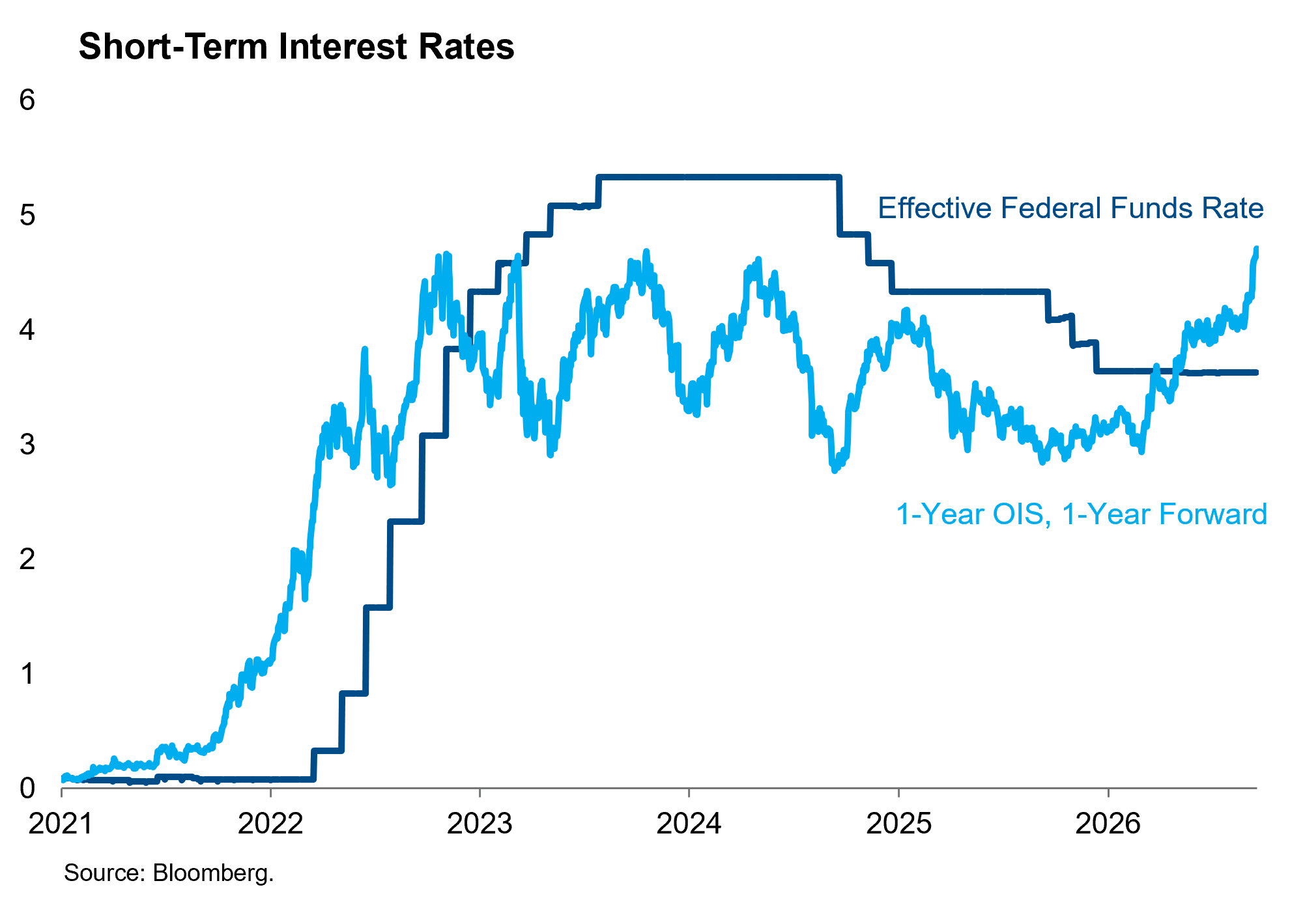
The employment side of the Fed’s mandate is satisfied; policymakers’ attention is rightly focused on inflation. While today’s jobs report slightly increases the chances of a hike in September, we still believe those odds are below 50%. Our base case remains that the Fed will leave the policy rate unchanged for the rest of this year.
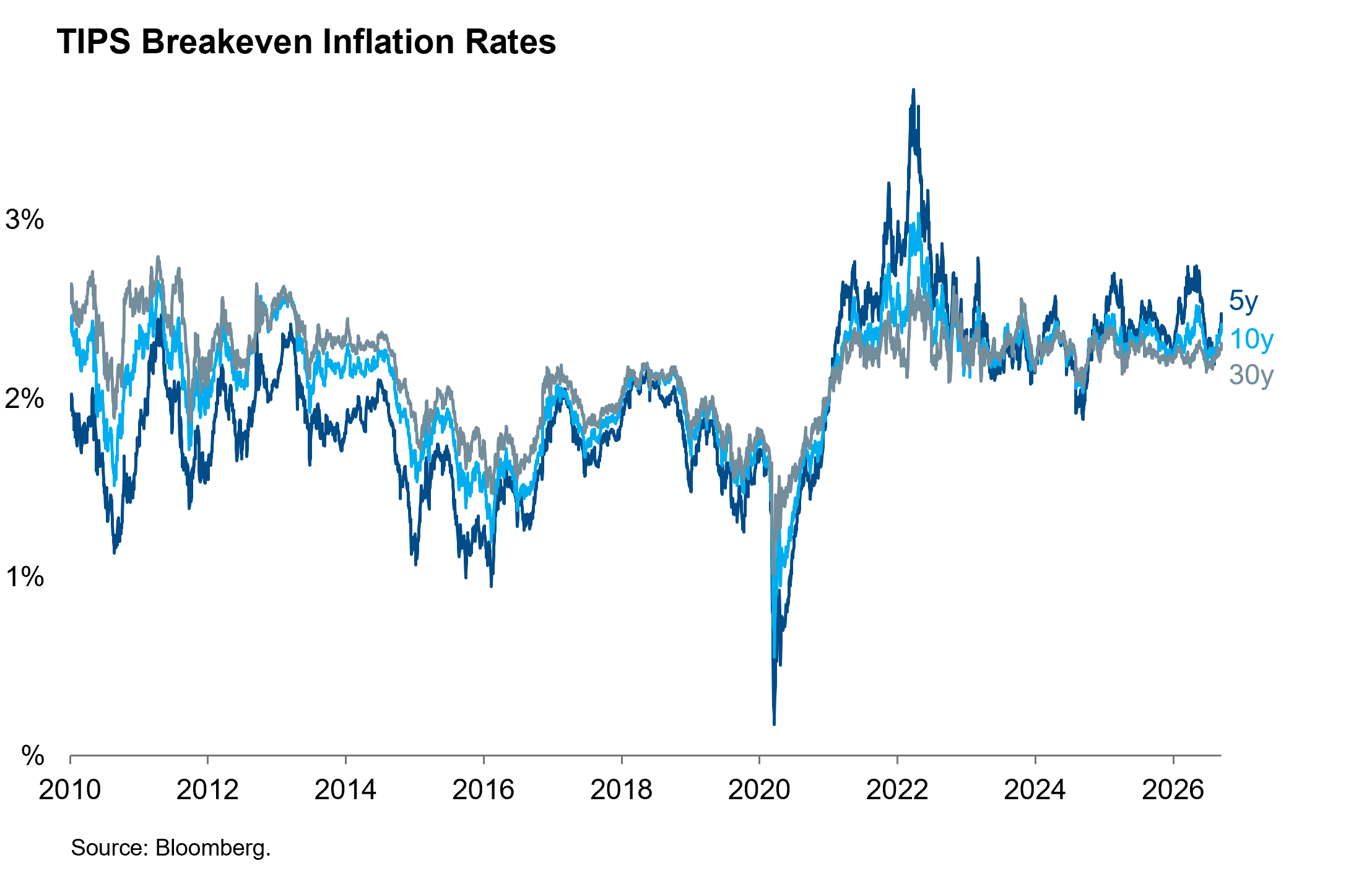
The FOMC is divided, with a group of hawks vocalizing their inflation concerns and voting accordingly. The majority however has voted to leave rates unchanged, and been relatively reticent with their public comments. Governor Powell is part of this silent majority, and is appropriately keeping quiet in deference to the new Chairman. Governor Waller’s dovish speech yesterday therefore provided important insight into the mindset of the swing voters. We agree with his assessment that the effects of tariffs and energy inflation are fading to reveal underlying disinflation. The Fed is engaged in a risk management exercise, and we think the path of least resistance is for them to keep rates unchanged in hopes that another month of data will further reveal this benign underlying inflation trend. Waller’s advice to be patient and “give disinflation a chance” has garnered majority support on the FOMC since the Iran war began and we expect that to continue.