The FOMC raised their policy rate by 25 bps today, by unanimous vote as we expected. Like Volcker, Greenspan, Bernanke, Yellen and Powell before him, Chairman Warsh’s first policy action is a hike. The Fed is signaling a series of 2-3 rate hikes for this adjustment cycle. We still think these hikes are unnecessary, but we take the Fed at their word. We now expect one additional hike in December and possibly one more in March.
The dot plot projected a more hawkish policy path than we and other market participants expected. It showed a large majority of 12 participants projecting one additional hike by the end of the year. Eight participants projected one further hike in 2027, and six others projected no change in 2027. So that’s 14 out of 18 participants who project a policy rate at or above 4.125% through the end of 2027.
Chairman Warsh did not convey much new information at his press conference. He shortened the length to 30 minutes from the usual 45 minutes and seemed to keep his responses terse. This strikes us as a good strategy. The less he talks, the lower the chance of communication errors like those we saw over the summer. The most meaningful snippet in the press conference came when Warsh described today’s action by saying, “We removed a dose of accommodation.” This implies that the FOMC believes the current policy setting is accommodative, which is a shift from the prior FOMC consensus that the policy stance was modestly restrictive. This assessment also appears at odds with the dot plot, where only five out of 18 participants estimate the neutral rate at 3.625% or higher.
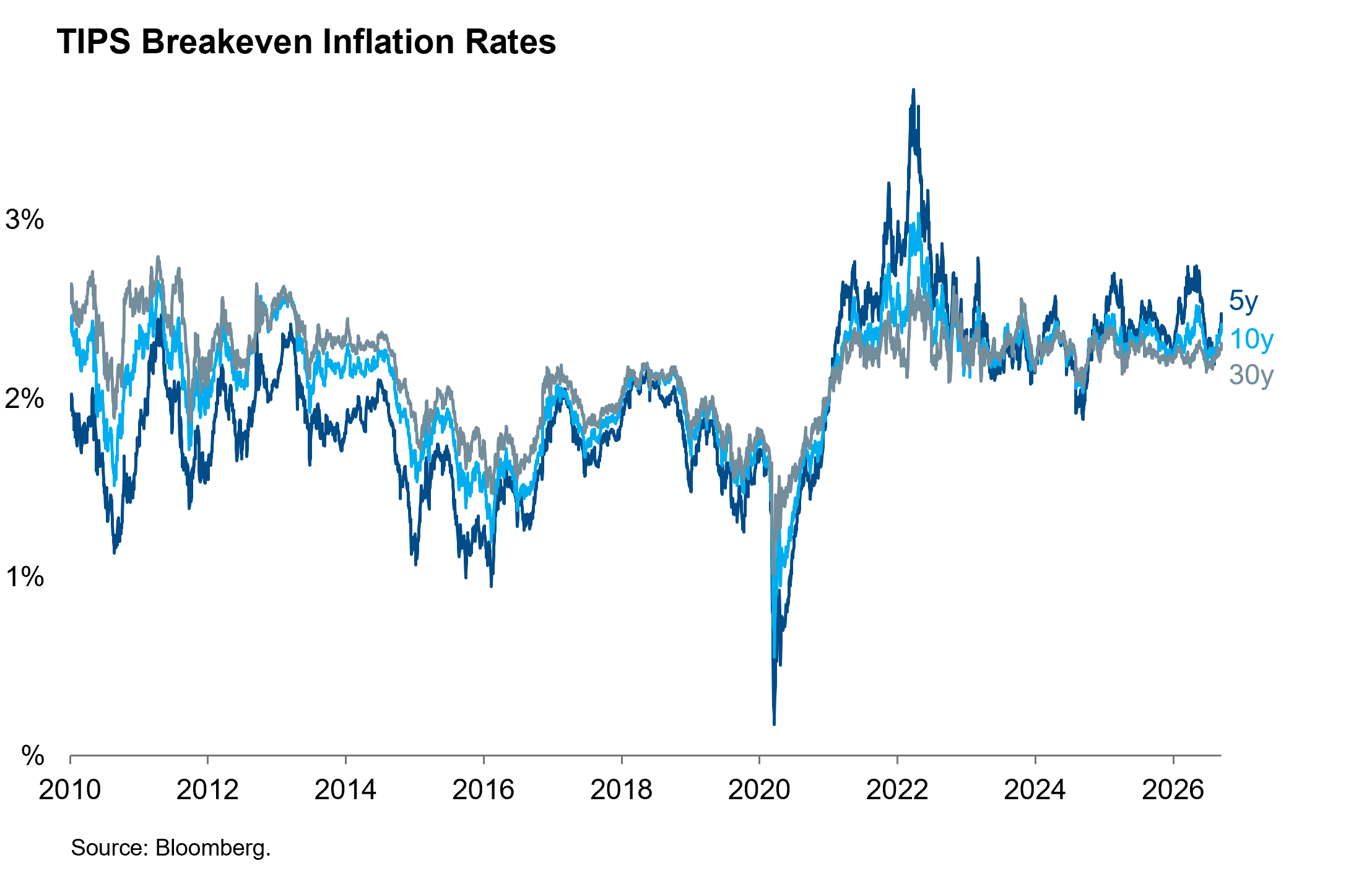
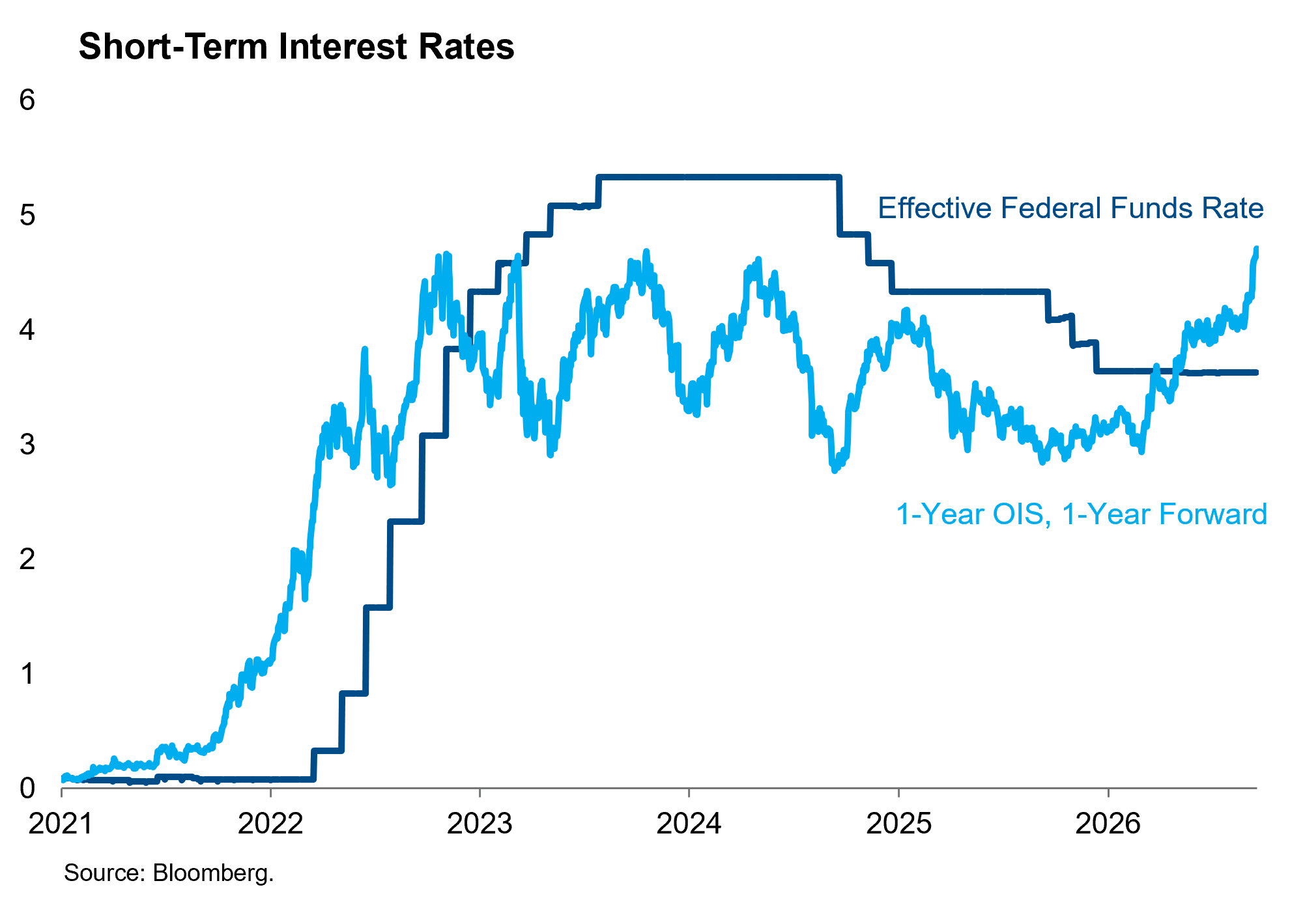
If the Fed actually keeps the policy rate at 4.125% or higher until January 2028, we will get to observe a real-world test of the neutral rate. In the last few years, the U.S. economy and risk asset prices have demonstrated extraordinary resilience to high interest rates and numerous other headwinds. That test is not yet over. Proxies of the terminal policy rate, like 1-year Overnight Index Swap (OIS), 1-year forward, have risen to new cycle highs, higher even than when the delivered policy rate was above 5%. The Fed and financial markets agree: we are in a higher-for-longer interest rate environment.
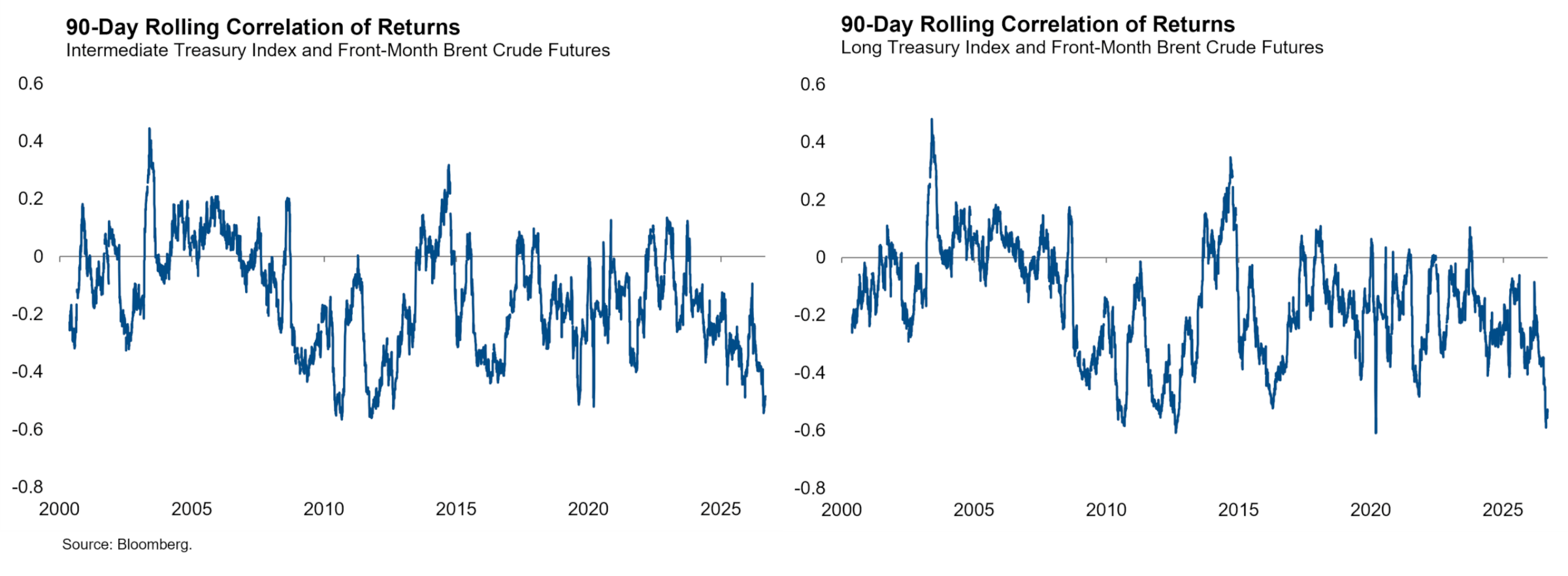
On multiple occasions, Warsh cited the deteriorating geopolitical situation as one motivation for the rate hike, supporting our view that oil prices will be the primary driver of both short-term and long-term interest rates in the near term. Note that correlations between oil and Treasury yields are near their strongest levels of the last quarter century, at both intermediate and long tenors. We believe that the surest path to lower interest rates is lower oil prices.
The Treasury yield curve bear flattened after the decision was announced today, as we would expect in response to a modest hawkish surprise. The 2-year Treasury yield rose by 12 bps in response to the FOMC events, while 10-year and 30-year Treasury yields increased by a comparatively smaller 4-6 bps. Any market participants or Treasury Secretaries who hoped that a rate hike would cause longer-term yields to fall will be disappointed by today’s price action.