
The FOMC left their policy rate unchanged today as expected. President Hammack dissented in favor of a hike as expected, but the other dissent by Governor Cook was a surprise. Cook has been a dove throughout her entire Fed tenure, and though she had recently made some mildly hawkish comments about the risk of AI-driven inflation, she did not establish a hawkish position that would have predicted this dissent. It’s plausible that the recent strength of the labor market has reduced her dovish convictions. Even if her motivations were pure, this dissent will accomplish nothing in economic terms, but will undoubtedly be perceived as politically motivated. Perception being reality in the world of central banking, her dissent may damage the Fed’s reputation for political neutrality.
The main takeaway from the press conference was the announcement that the Fed will reduce the number of policy decisions from eight currently, to seven in 2027 and six in 2028. This strikes us as a solution in search of a problem, but is unlikely to constrain the FOMC. If a volatile economic environment required more frequent policy adjustments, the Fed would not hesitate to act between the six regularly scheduled meetings.
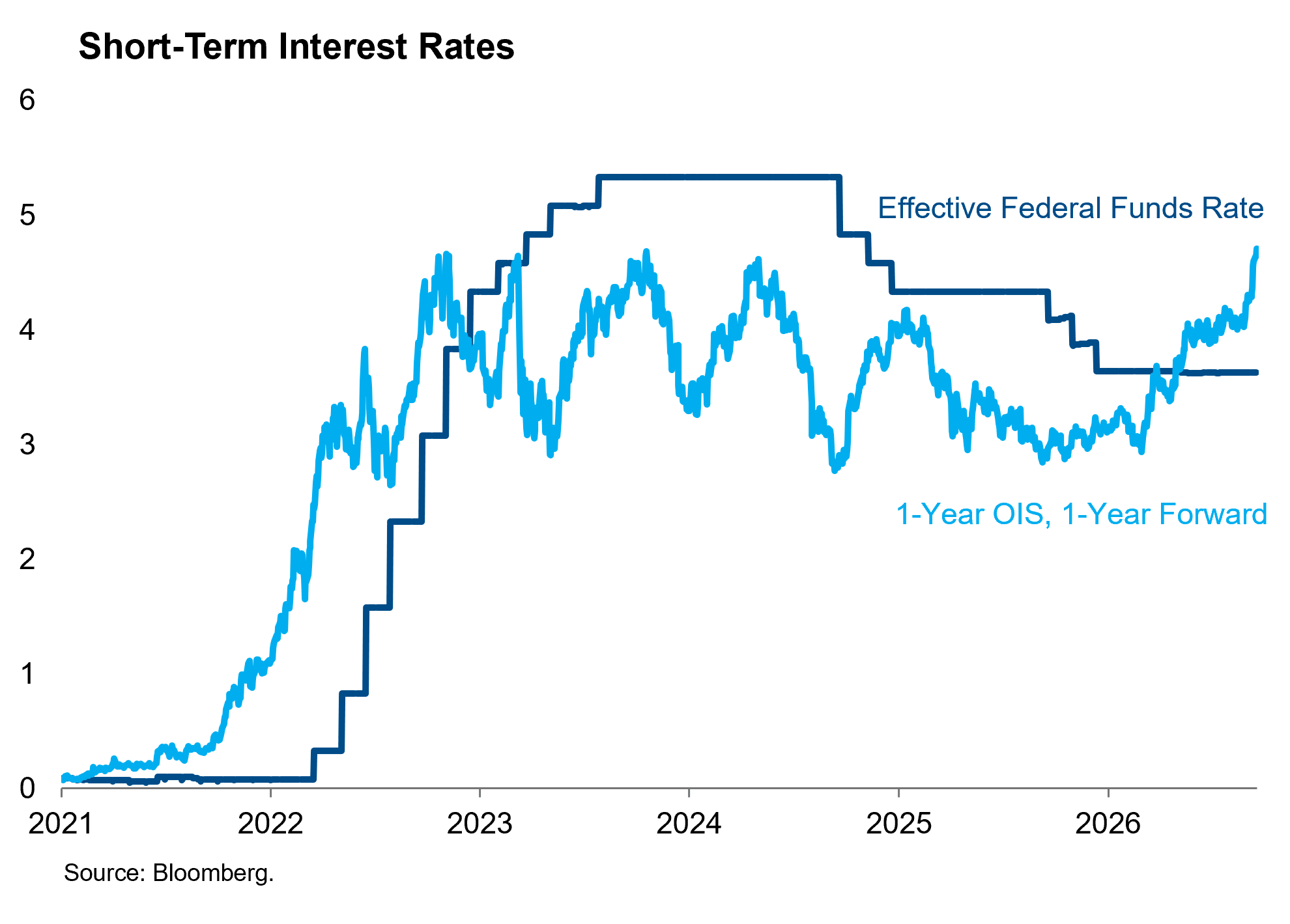
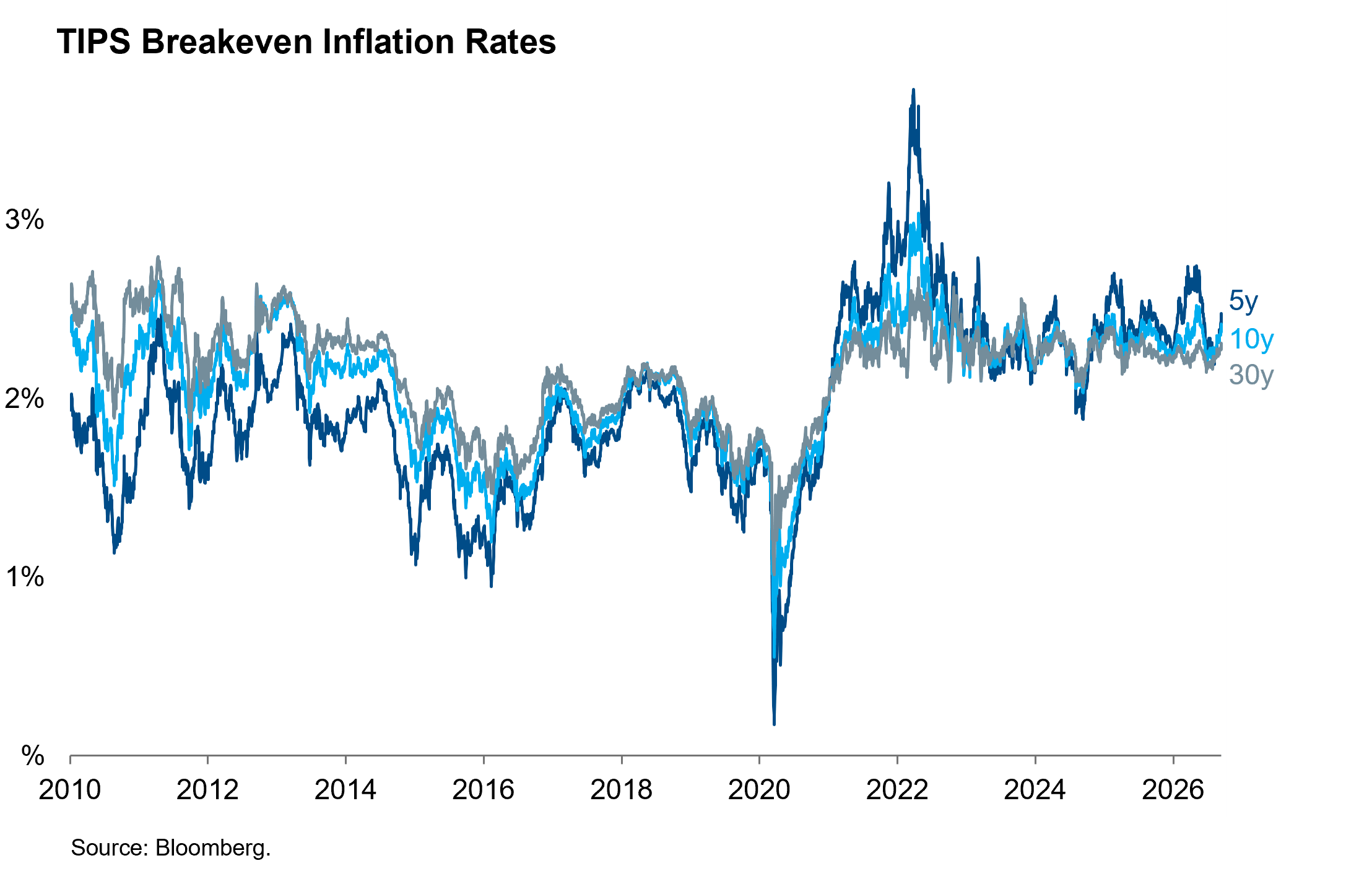
Beyond that, we learned little of substance from the press conference. Chairman Warsh had a job to do at the press conference today, and he failed to execute it. He has spoken in very hawkish terms about the Fed’s commitment to price stability since his first days on the job. After some fits and starts over the summer, the Committee finally voted unanimously to take action in support of that commitment at the September meeting. Since then, the inflation data and oil prices have moved in the wrong direction, and yet the Committee decided to leave rates unchanged today. It would have been helpful for Chairman Warsh to explain that dichotomy, but when asked directly by one of the reporters, his answer was lacking in substance. This lack of clarity revived some of the concerns about the Fed’s reaction function from June and July, and may have contributed to the steepening in the Treasury yield curve today.
He also neglected to answer a separate question about Fed communications during the intermeeting period. To recap, Governor Jefferson and President Williams sent fairly clear signals that the FOMC intended to raise rates at an alternate meeting pace. Governor Waller then explicitly referred to those speeches as “forward guidance.” In response, the odds of an October rate hike fell from 70% to 17%. When asked today, Chairman Warsh implicitly denied that he was involved in any coordinated communication effort. This episode is consistent with our assessment that Chairman Warsh’s less-is-more attitude towards communications has merely ceded control of the narrative to his colleagues.